


Pan Pastels have been around for a few years now, and I have found them to be a great addition to my artist’s toolkit. If you’ve never used them before, or perhaps never even heard of them, read on to find out how these little pans of joy can take your pastel paintings to the next level.
Materials
What are Pan Pastels?
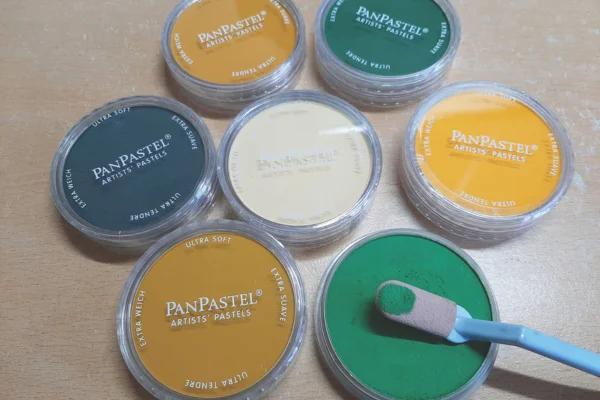
Pan Pastels belong to the chalk pastel family, and are essentially pastel pigment compressed into a little shallow dish, or ‘pan’. They look a bit like make-up powder, and in fact are applied in a similar way, too!
Explore our range of Pan Pastels
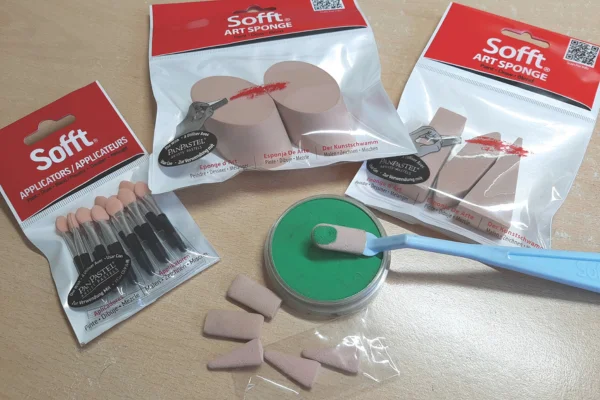
Pan Pastel applicators
The applicators designed for Pan Pastels are called Sofft tools. These come in a range of shapes and sizes, from large round sponges, to knife tools and mini applicators. The range of Sofft tools available allows you to use Pan Pastels for a variety of different areas of a drawing, whether that be diffuse backgrounds or more detailed work.
You may wish to clean your Sofft tools more thoroughly after you’ve completed a few artworks with them. You can do this by soaking them in warm water with washing-up liquid. Squeeze the sponges to work out the pigment then leave them to dry overnight on kitchen roll.
Choosing your surface
When using chalk pastel, it’s important to choose a paper that has some texture or tooth to it. Not only does this drastically reduce the amount of dust that falls off the paper, but it also gives you the option to layer different colours over one another. My go-to surface for chalk pastel drawings is Clairefontaine Pastelmat, and this is what I’ll be using for this review. Other similar brands that work well are UArt and Velour.
Techniques
How to apply Pan Pastels
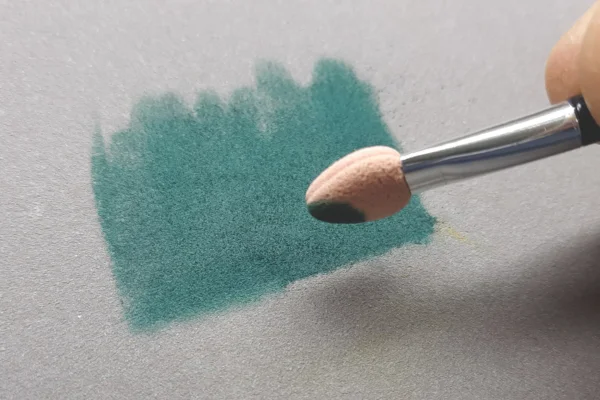
To apply Pan Pastel colour to the paper, simply use your chosen applicator to wipe across the surface of the Pan Pastel gently to pick up the pigment, then wipe this onto the pastel paper. Rubbing over the area several times with your applicator will help to bed the colour into the surface and smooth it out. For more intense colour, do this a few times to build up the amount of colour on the paper.
Blending colours
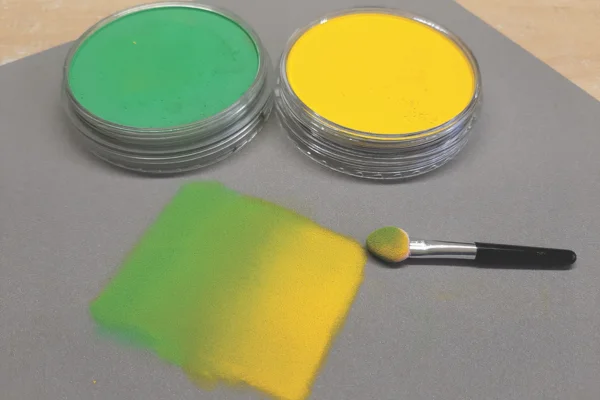
Pan Pastels blend incredibly well together by applying the darkest colour first to the paper then adding your lighter colour next to it. With a clean Sofft tool, rub back and forth over the transition from the dark to the light to blend one into the other.
It’s also easy to achieve nice soft edges when working with Pan Pastels. This would be desirable if you’re considering an out-of-focus area of a drawing. (This technique can add real depth to your artwork, by bringing the in-focus areas forward.) To create soft edges, gently run the mini-applicator across the edge you want to soften in a wavey motion. This will blend out the edge and get rid of any hard lines. Doing this a few times will make the edge softer each time.
Pan Pastels also have a Colourless Blender medium available, which is great for creating lovely creamy blends. It comes in the same pan dish as normal Pan Pastels, and you apply it in the same way. Give it a try!
Mixing colours
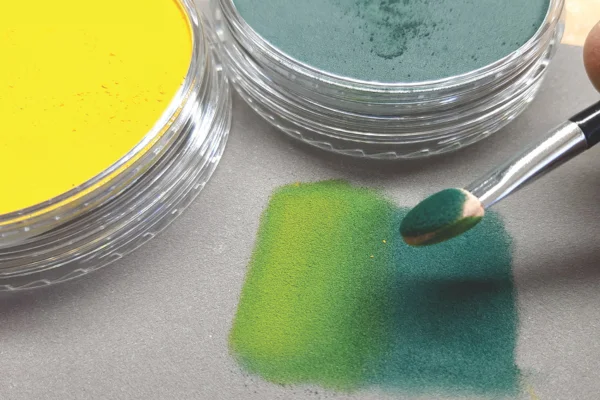
Sometimes it’s necessary to mix colours together to achieve the right hue. We can do this with Pan Pastels by layering the colours we wish to mix on top of each other, then use the blending technique to mix them together.
Backgrounds
Pan pastels are perfect for creating many types of backgrounds. I regularly use them to create a completely diff use coloured background for pet portraits, out-of-focus leafy backgrounds in wildlife art, and also bokeh – in other words, diff used – backgrounds.
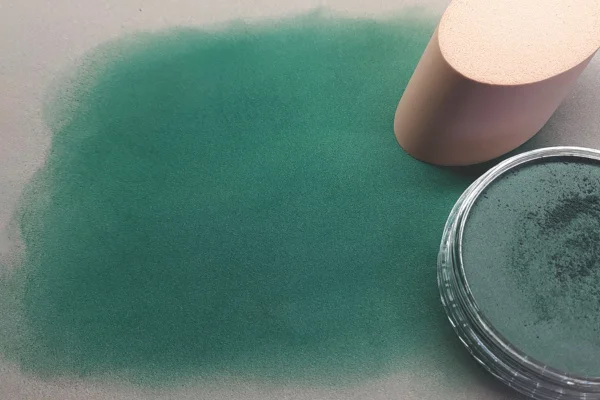
For large diffuse backgrounds, I find the large round-edged sponge tools work perfectly. I apply my colour and work the sponge across the surface in a circular motion to even out the colours and create lovely so blends.
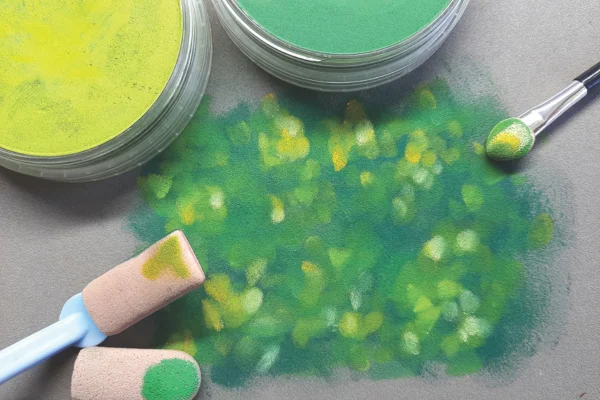
For an out-of-focus foliage background, I often pick up different shades of green and yellow, and opt for the more angular sponges. I build up a few layers of the colour, starting with the darkest first, dabbing the Pan Pastel onto the surface at varied angles to create the illusion of background leaves. The mini applicators are also great for this, especially when I want more rounded shapes there.
Details
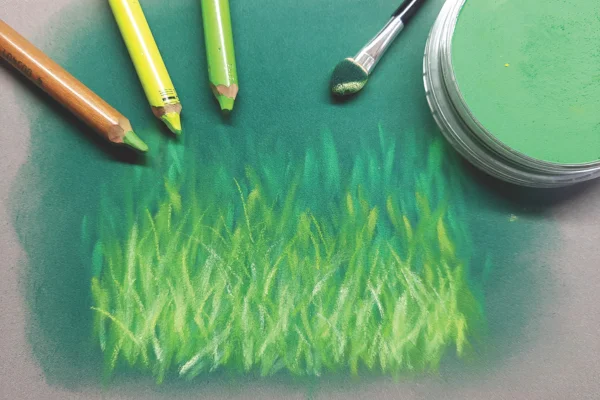
Pan Pastels will always give a softer line than your hard pastel sticks or pencils, but this doesn’t exclude them completely from being used for detailed areas of a drawing. They work perfectly for creating a vibrant base of colour on which you can add your finest details using pastel pencils or sticks.
Pan Pastels are easy to use and to achieve good results quickly. There are a wide variety of colours, and you can now buy metallic and sparkly shades, too! Give them a try and don’t be afraid to experiment. You could even try using a paintbrush with them to see the effects that you can achieve.